Published on WalaPangStrava.com
After TNF100 2008, the local ultramarathon scene started to grow. TNF100 was held yearly — 2009 in Sacobia, 2010 in Baguio (I finished that), 2011–2013 I’m not sure, then 2014 again in Baguio (I finished again), and 2015 in Nuvali. Road ultras also gained momentum. 2009 kicked off with Bald Runner’s Bataan Death March Ultra (BDM102), then Botak 100 on the roads of Quezon City. Those three — TNF100, BDM102, Botak100 — became the unofficial “ultra running grand slam” of that era. I finished BDM and Botak. I DNF-ed TNF100.

Then on May 31, 2012, Jonel Mendoza announced Hardcore Hundred (H1). The name (not the format) was inspired by Hardrock 100. Jonel, though older, was a peer and friend. He also ran BDM102 and the other early races. His deputies included Isko Lapira — our own David Goggins. He looked the part: skin tone, shaved head, tall, lean, even the tattered white shirt he wore. And he had mountaineering photos in maong shorts! Hardcore talaga.

Enter the Budol
As usual, Aldean was the source of the budol. He had plans for UTMB 2014 and wanted to use H1 as prep. He recruited me and Wilnar Iglesia — one of the fastest runners back then. You wouldn’t know it by looking at him. He looked like a regular guy, but his superpower? His stomach. He could eat anything mid-race and not suffer. That’s a gift in ultras.
I was the slowest of the three, and didn’t have solid plans. We registered late in 2012. Bahala na si Batman.



Rain, Mud, and 100 Miles
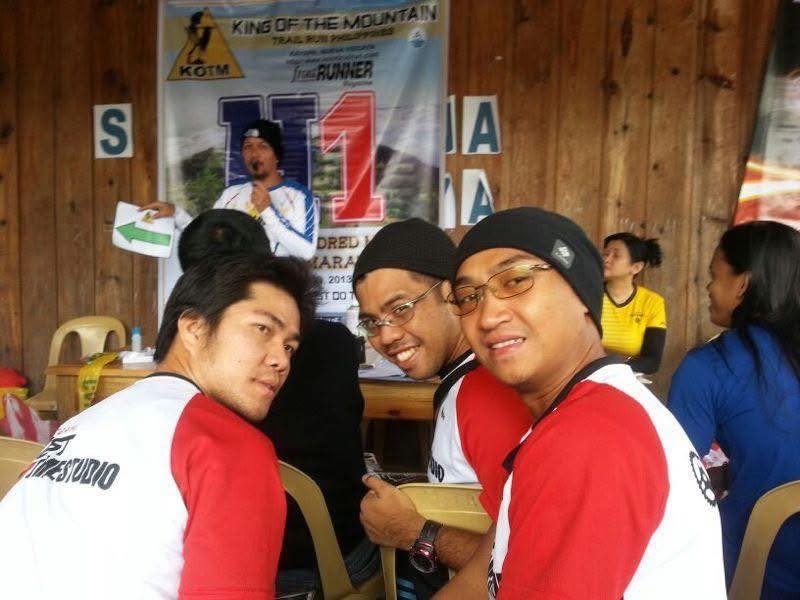
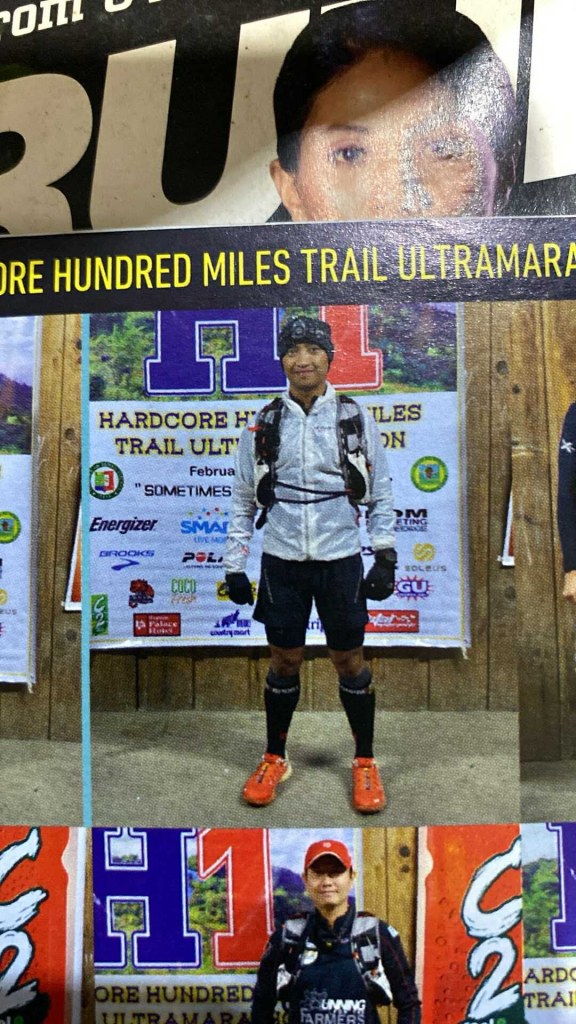
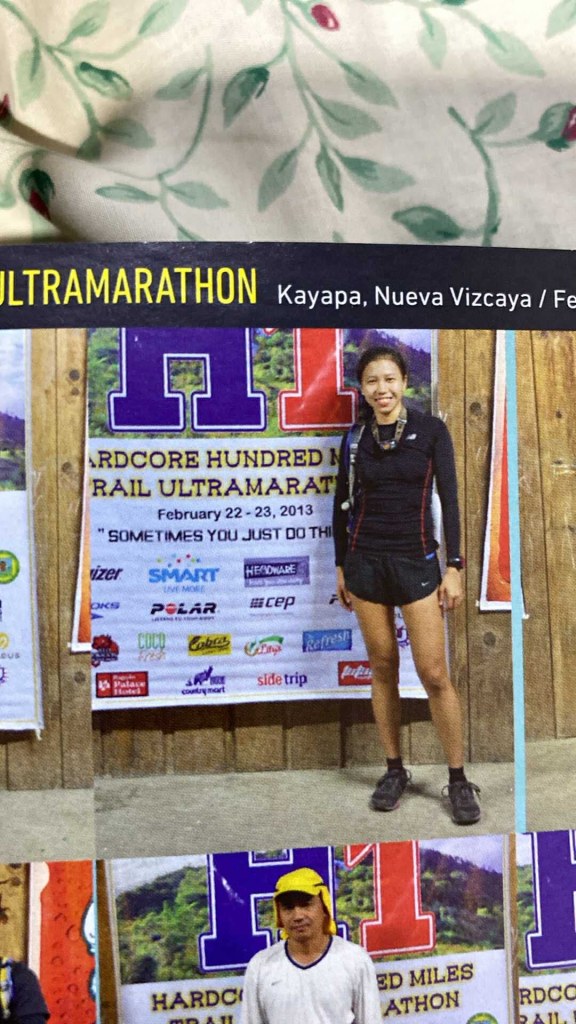
The race started on February 22, 2013 — a Friday midnight. We got to Kayapa on Tuesday and stayed at Baban’s. There were only 43 runners. That meant hours of running without seeing anyone — especially at night.
Then, one hour before gunstart: rain. Not ambon — as in bagyo. And it was February, so malamig talaga. You could see the stress on people’s faces, but no one dared back out. That wasn’t the culture then. The rain didn’t stop. We all started soaked.
No Joy, Just Survival
That night and day, I remember no happy feelings. I was doing something I loved — trails — but I wasn’t happy. It was all misery. Rain. Mud. Cold.
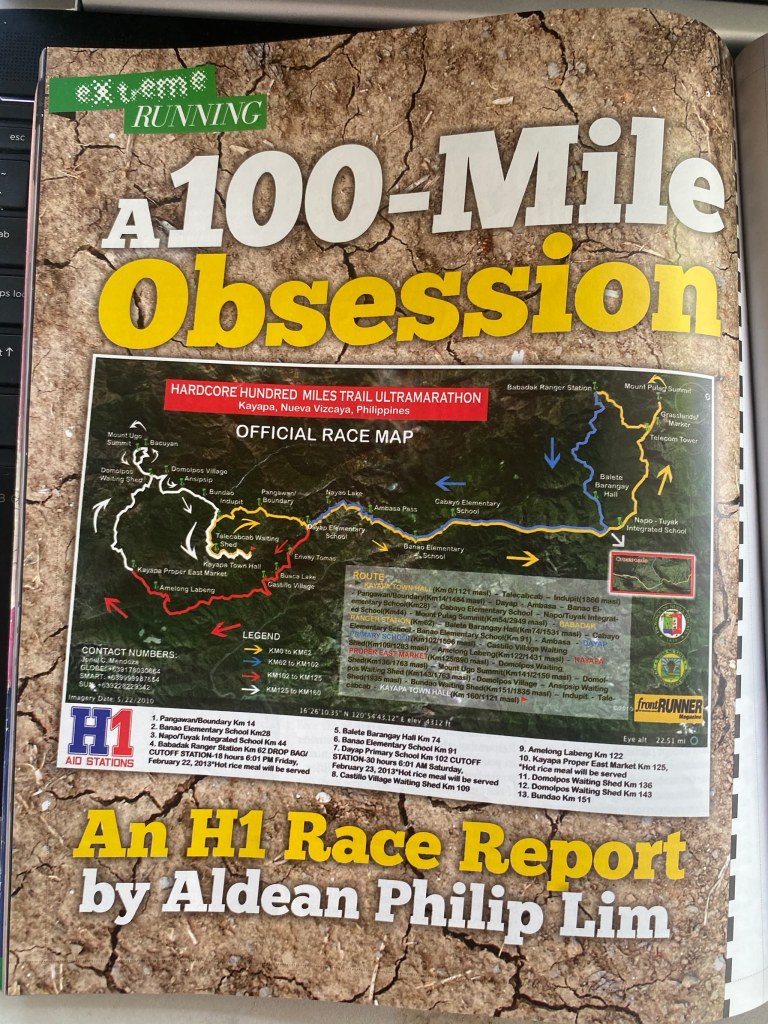
And being the first edition, it had hiccups. Locals didn’t understand what we were doing. Some removed or played with trail signs. Somewhere in Cabayo, our group got lost — and met another lost group. Around 15 of us were together. The next section was worse: Napo-Tuyak climb. Rainwater was rushing down like a waterfall. Uphill, slippery, dangerous. Then Pulag summit was shortened due to storm conditions. Isko had to leave the turnaround station. At Pulag grassland, the stones were underwater — calf-deep. It felt like stepping in ice water. Again: misery.
Eventually I reached Babadak Ranger Station before dark. I was exhausted and freezing. I found other runners there, resting. Volunteers gave us hot food. I tried to calculate how I could still finish… then sat by the fireplace. It felt good. I never left. That was my H1 DNF. Many others dropped there too. A few tried to push on, but came back.
The King of Another Mountain
Out of 43 starters, only 12 finished. Even Majo didn’t survive. (She later became H1 champ for 7 straight years.)
Back in Kayapa, we all gathered — DNF-ers, finishers, and volunteers. It was a small community. Most didn’t finish, but everyone was relieved. We were laughing, sharing stories, nursing our wounds.
The best story? Rocky Go and Alain Llaguno. Two runners who became trail buddies — and got lost early in the race. Everyone was supposed to turn right toward Mount Pulag. They turned left — toward Mount Ugo! That’s why we called Rocky “King of Another Mountain.”
At one point, Rocky even took off his huarache sandals (don’t ask why) and left them near a cliff. Alain saw them and thought Rocky had fallen. He panicked. Lahat kami tawa nang tawa sa Kayapa.

What H1 2013 Meant to Me
I honestly don’t know. I just liked being out there — with friends, with my tribe.
It didn’t defeat or traumatize me. I even tried to do H1 again (a few times?) but always failed. I realized I may not be mentally built for 100 miles — maybe just 100K. But I also learned: trail ultras need more than strength. You need brains. Navigation. Outdoor confidence. Calmness under pressure.
H1 was the start of “serious” trail running in the Philippines. You could hack a 100K race — but not H1. It became the holy grail of local ultras. It inspired many other trail events, and became the training ground for runners eyeing UTMB and other prestigious races.
From the Trail to Today
Today, we build gear for runners who chase these kinds of stories. We learned from the rain, the mud, and the DNFs. And we poured it all into the shirts, shorts, and systems we now use — not just to survive, but to thrive on the trail.
🧢 Want to see what we wear now? 👉 What to Wear for a Trail Race in the Philippines
🎒 Ready to get started? 👉 Start Here
🔎 Browse Ahon’s gear system: 👉 Gear Tier Guide
From that muddy February night in Kayapa to today, we’re still on the trail. We turned those memories into a gear system built for Filipino runners. 👉 Visit AhonTrail.com





 Wala Pang Strava